History of the Eiffel Tower
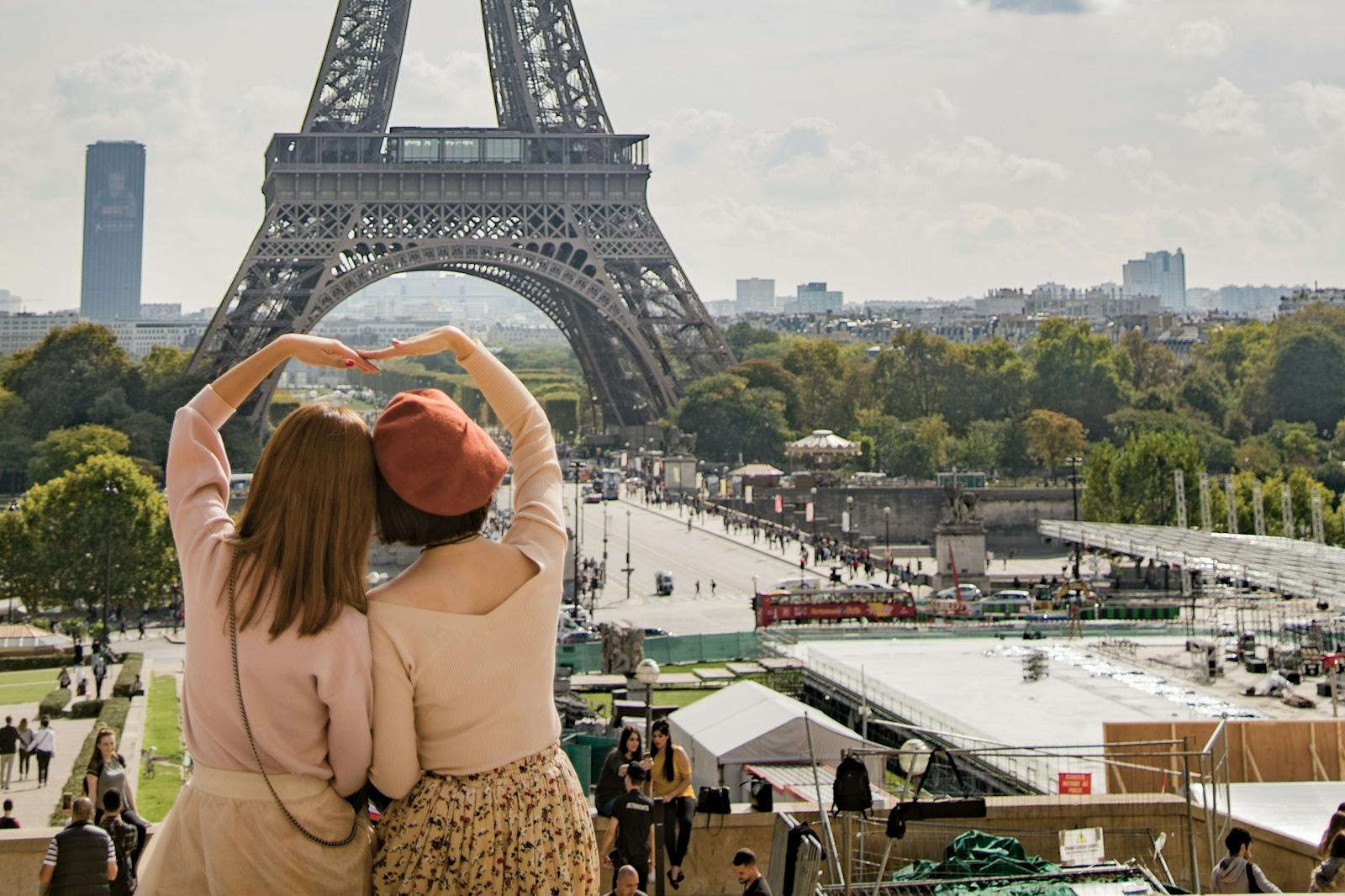
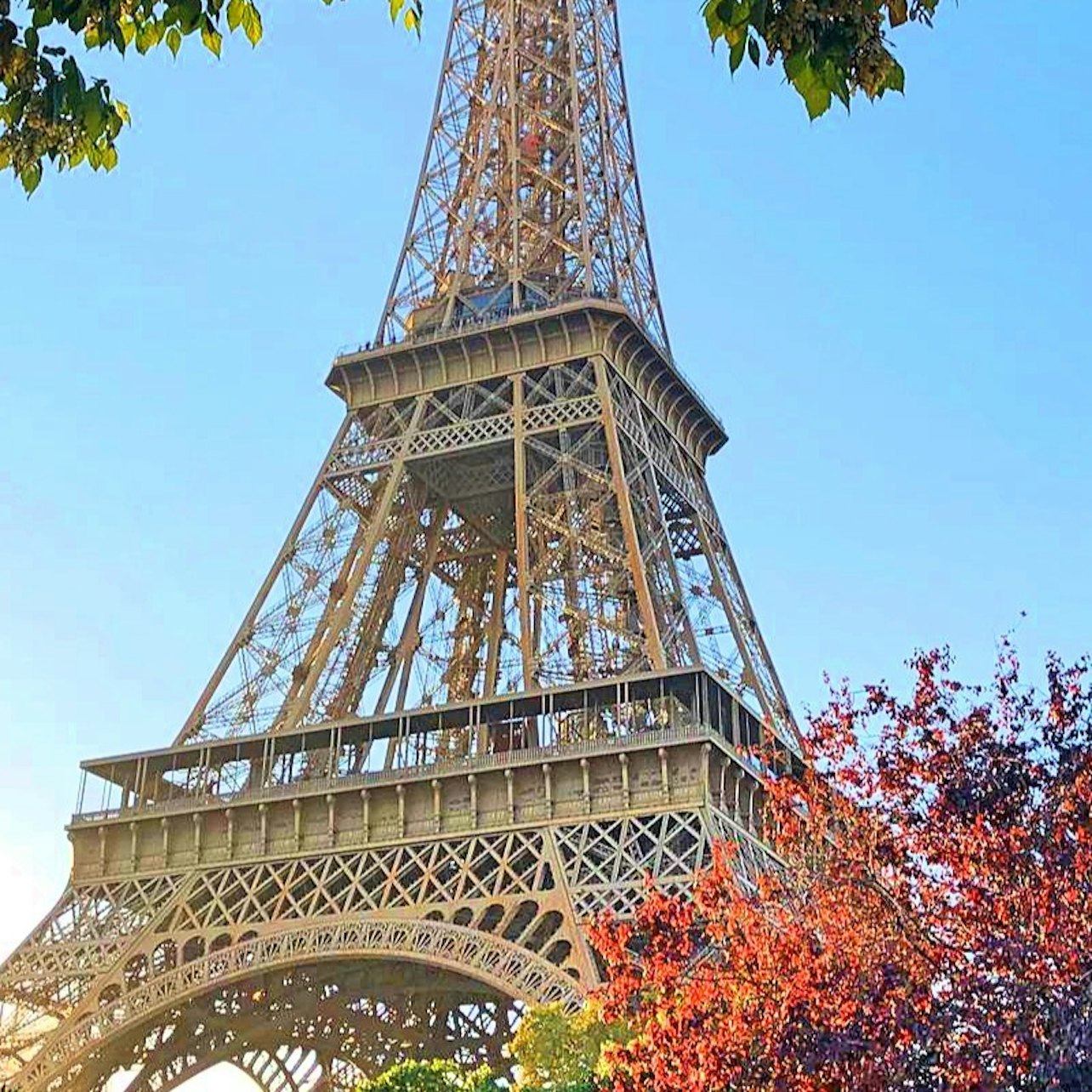
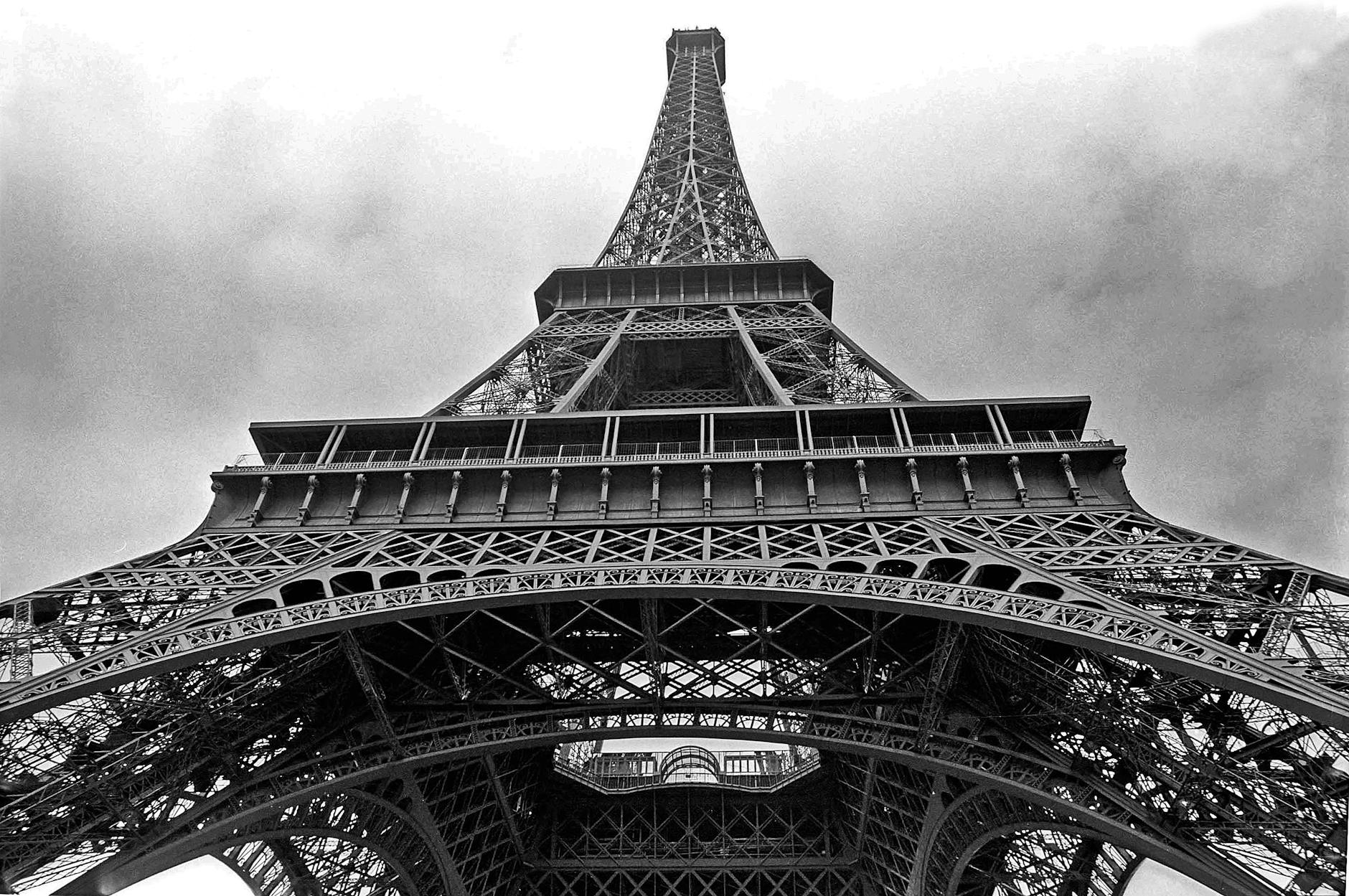
Designed by Gustave Eiffel and his collaborators, the Eiffel Tower was erected in just two years for the 1889 World's Fair, celebrating the centenary of the French Revolution. Initially called the "300-meter tower," it was renamed in honor of its designer, becoming a universal symbol of Paris. Its puddled iron architecture, a steel of the time, revolutionized monument construction.
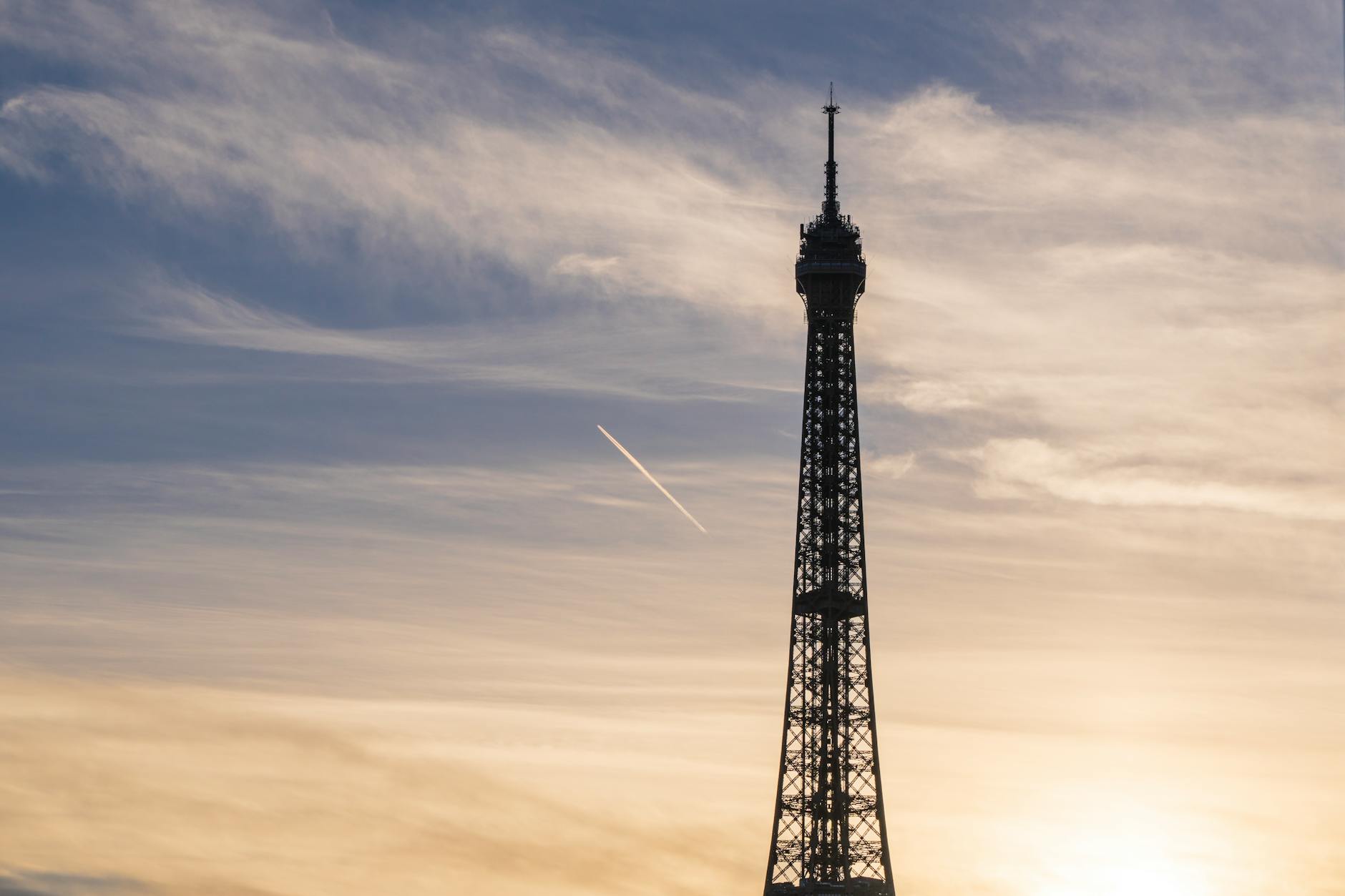
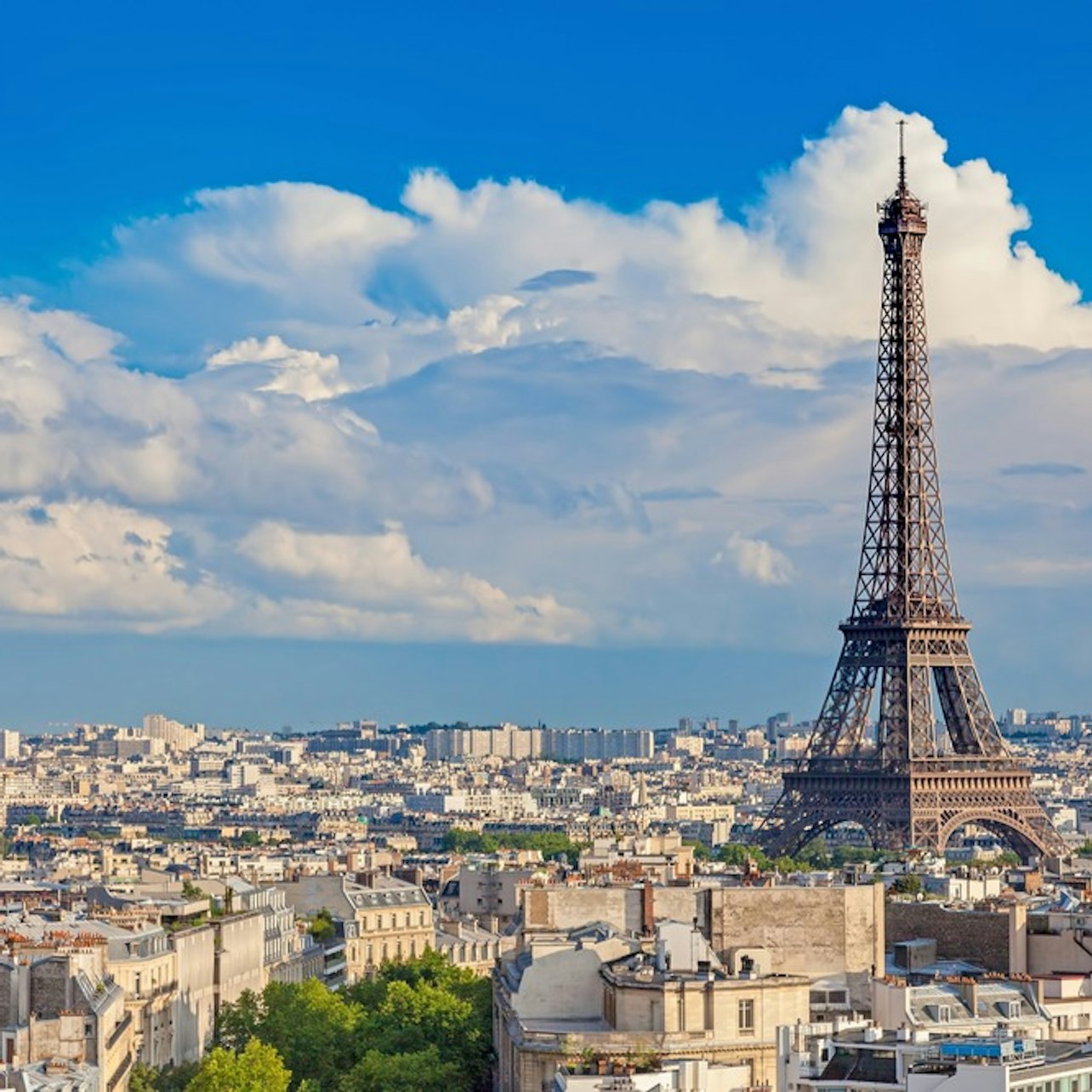
At its inauguration, the tower measured 312 meters and was the tallest building in the world from 1889 to 1929. Since then, its height has been increased several times by the addition of antennas, reaching 330 meters in 2022. It now serves as a transmitter for radio and television programs, combining history and modern functionality. The 2022 antenna was installed to strengthen digital frequency coverage. The tower remains a technical and cultural symbol of France.
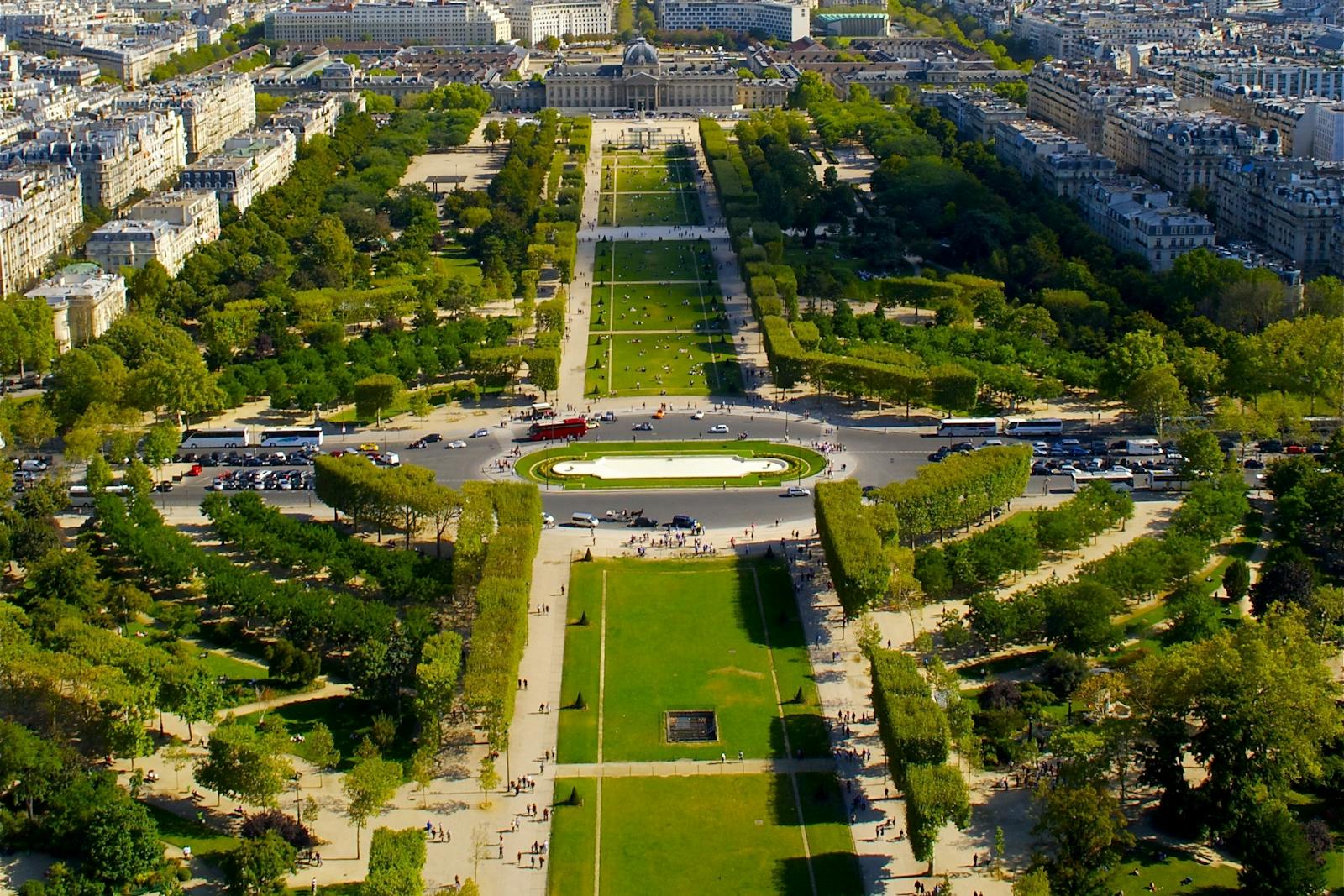
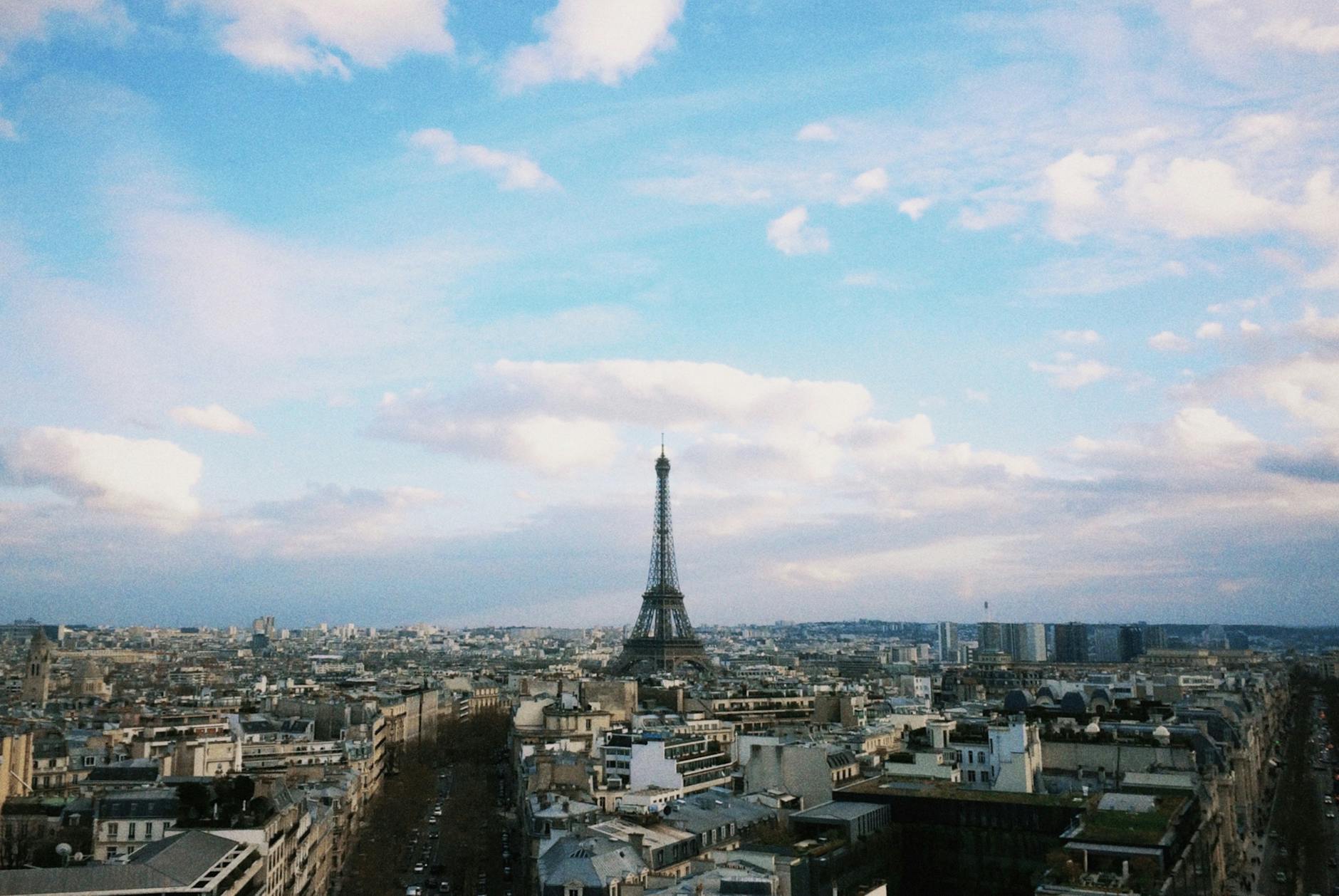
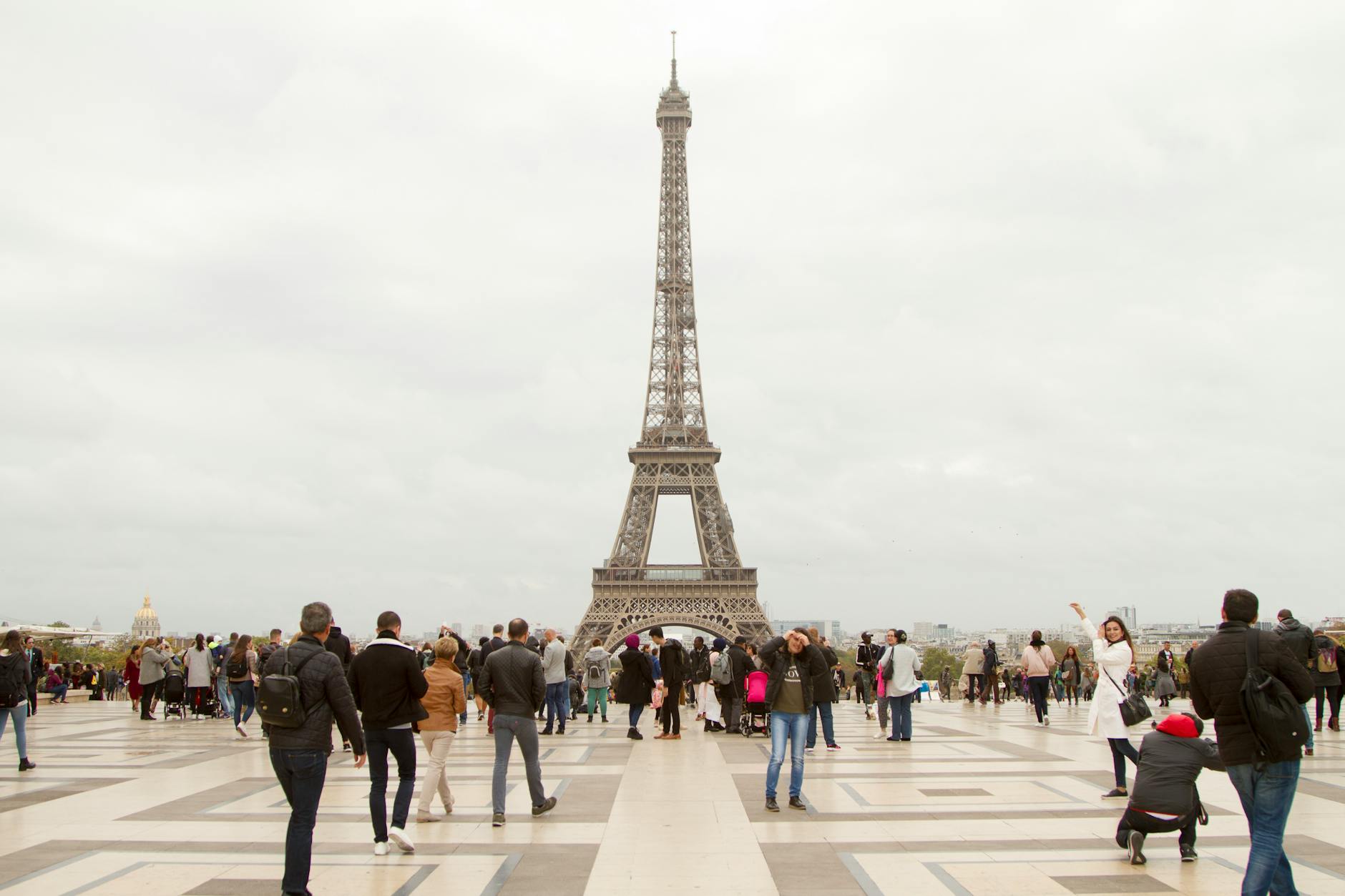
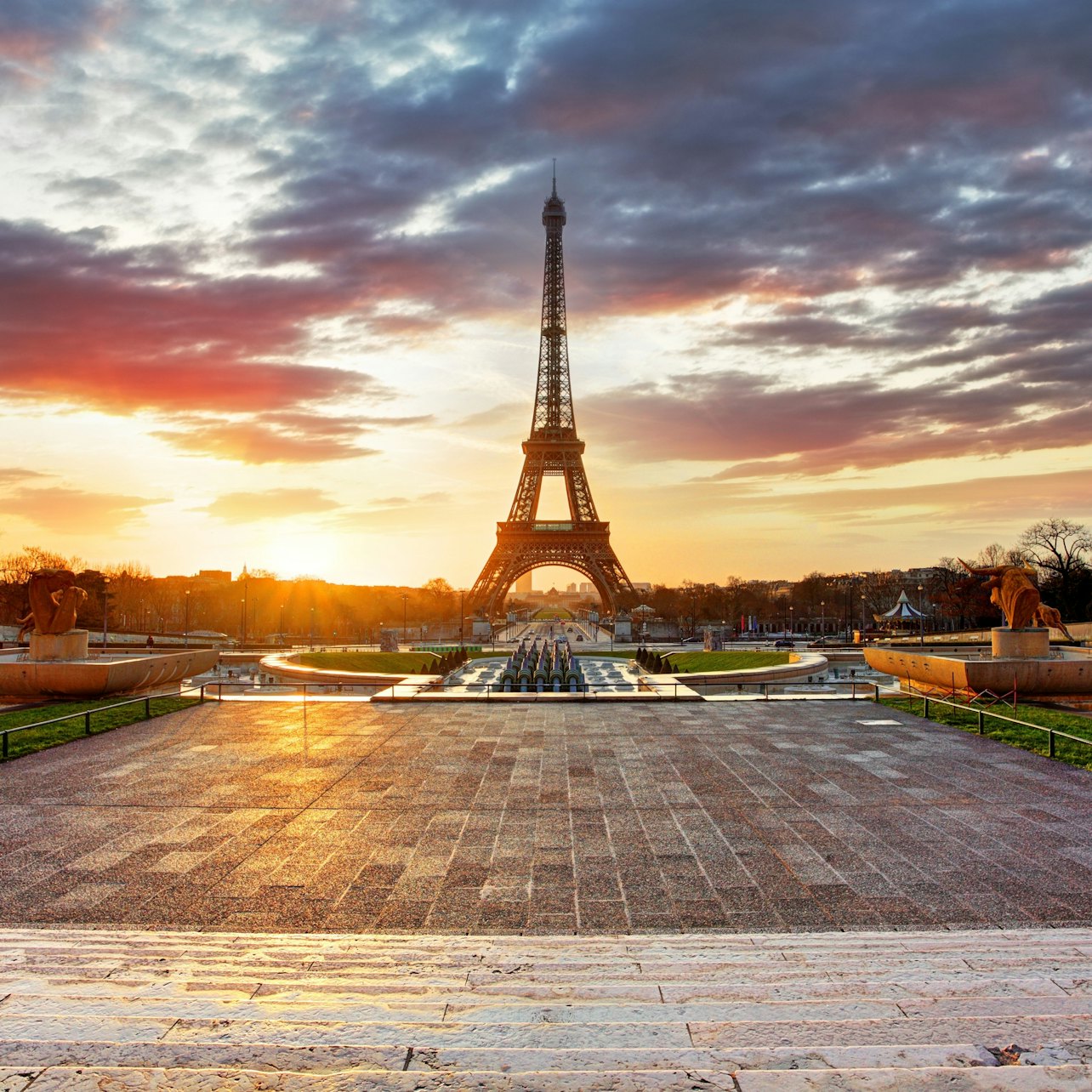
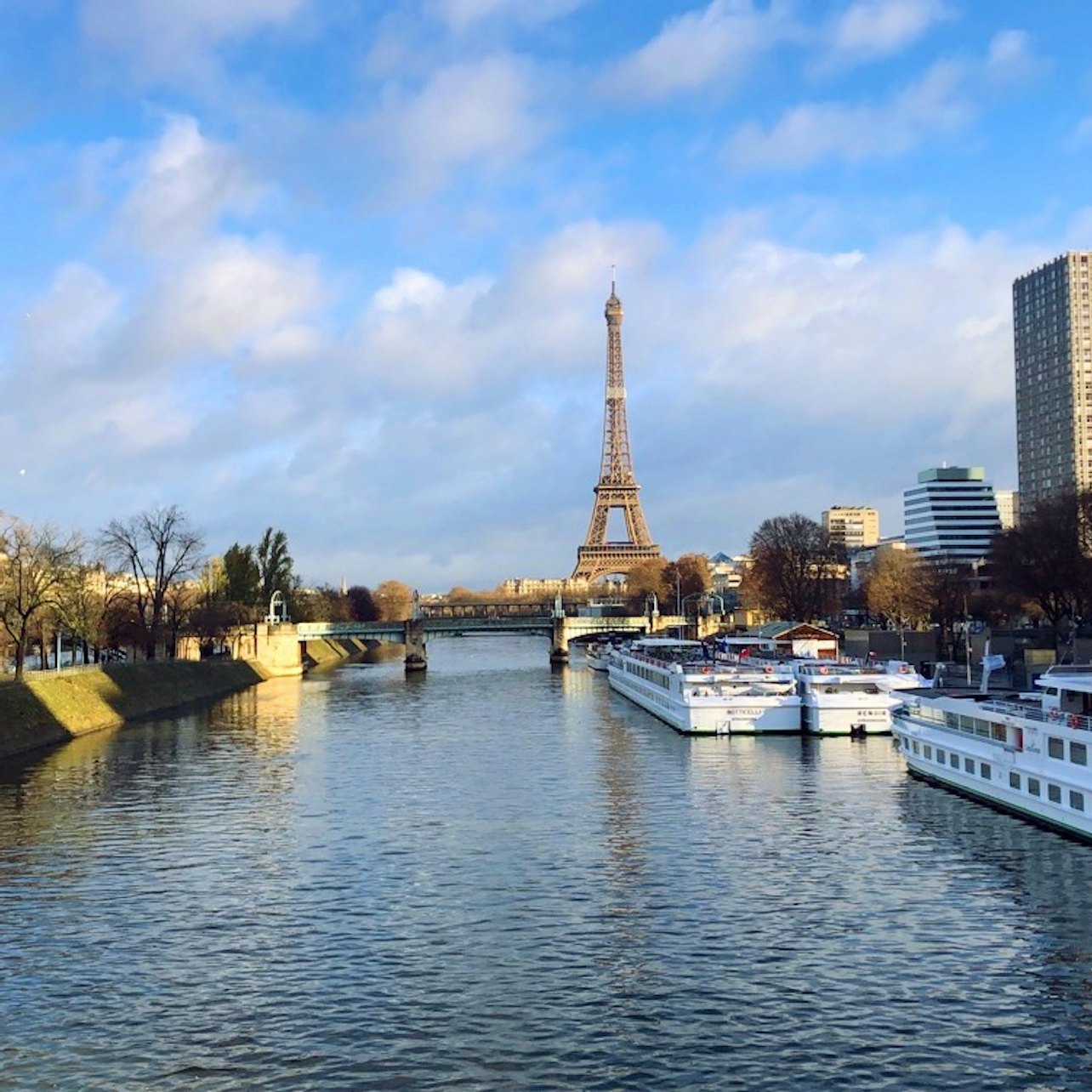
Since its opening, the Eiffel Tower has welcomed over 300 million visitors, becoming the fourth most visited paid cultural site in France. Its location at the north-west end of the Champ-de-Mars, at 5, avenue Anatole-France, in the 7th arrondissement of Paris, makes it a must-see landmark for tourists and Parisians. It has been listed as a UNESCO World Heritage site since 1991.
What to see at the Eiffel Tower
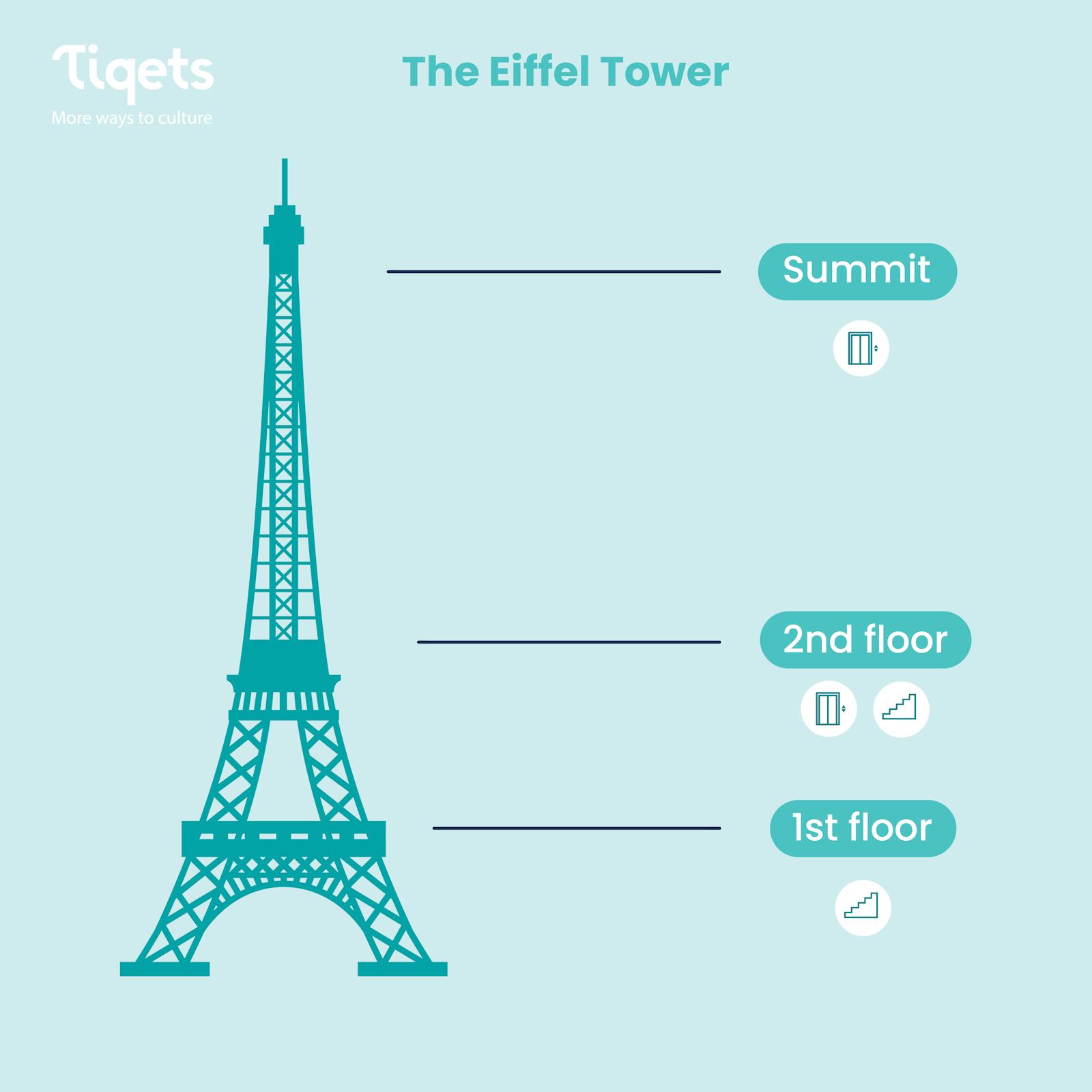
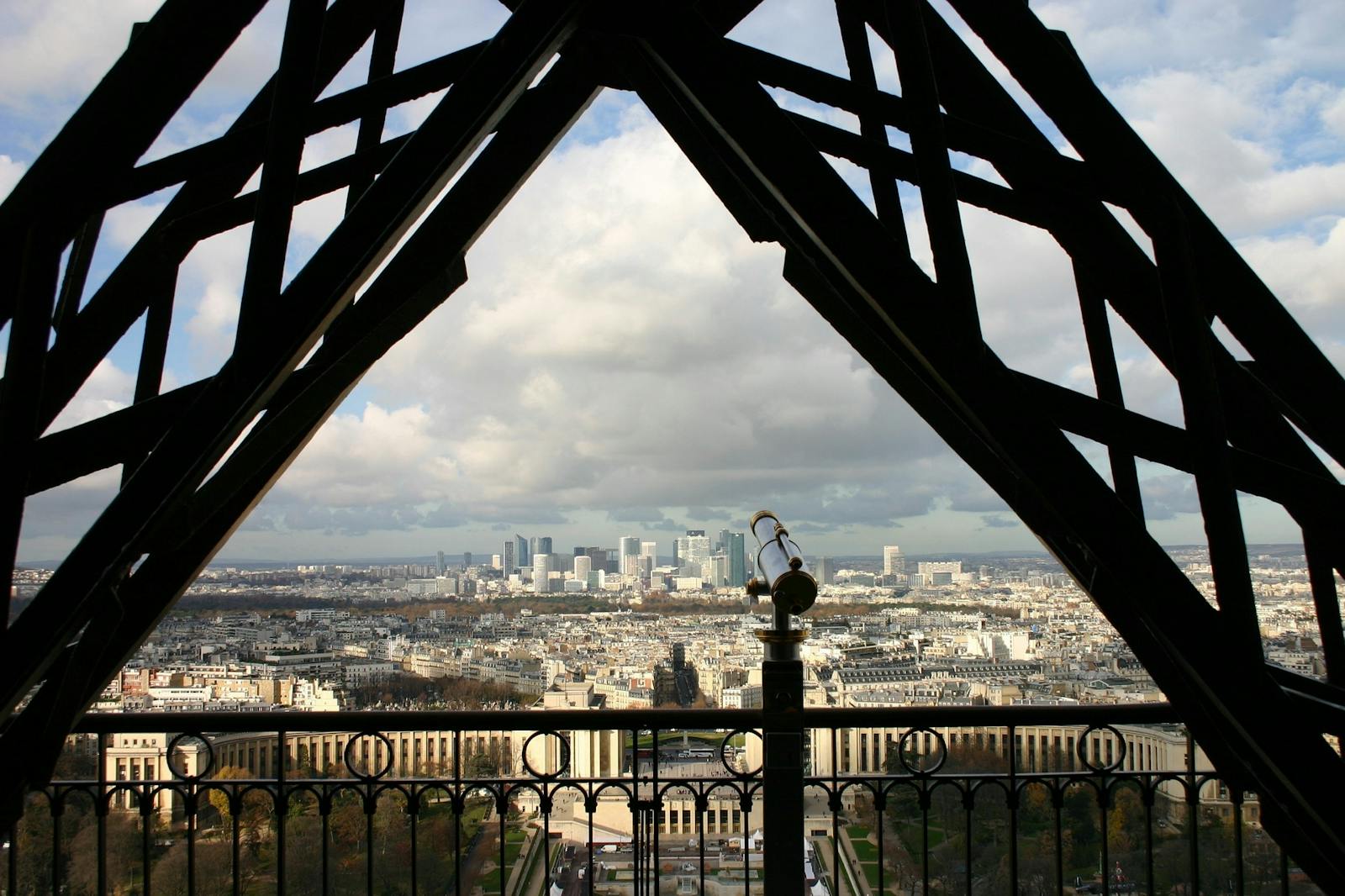
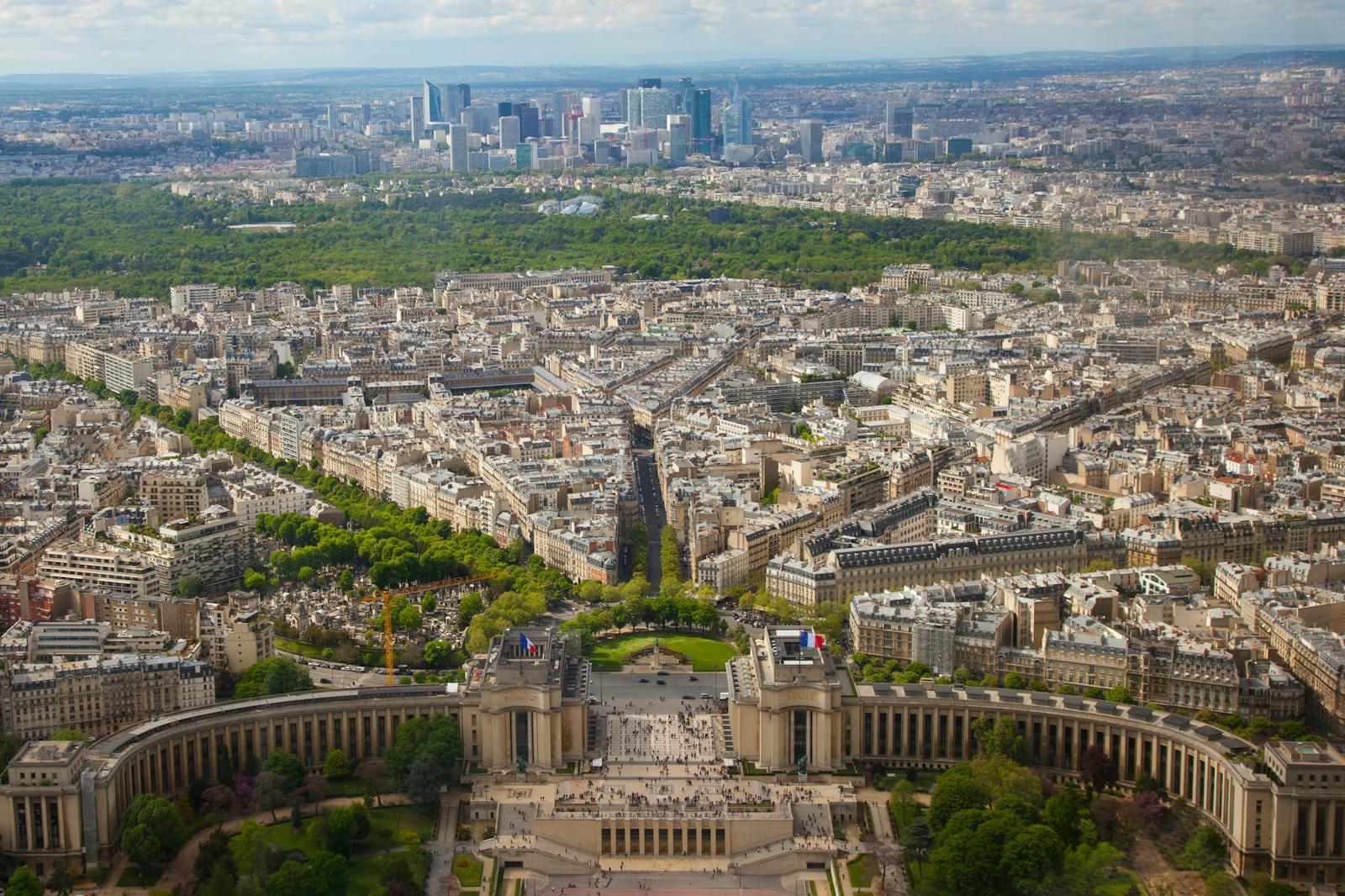
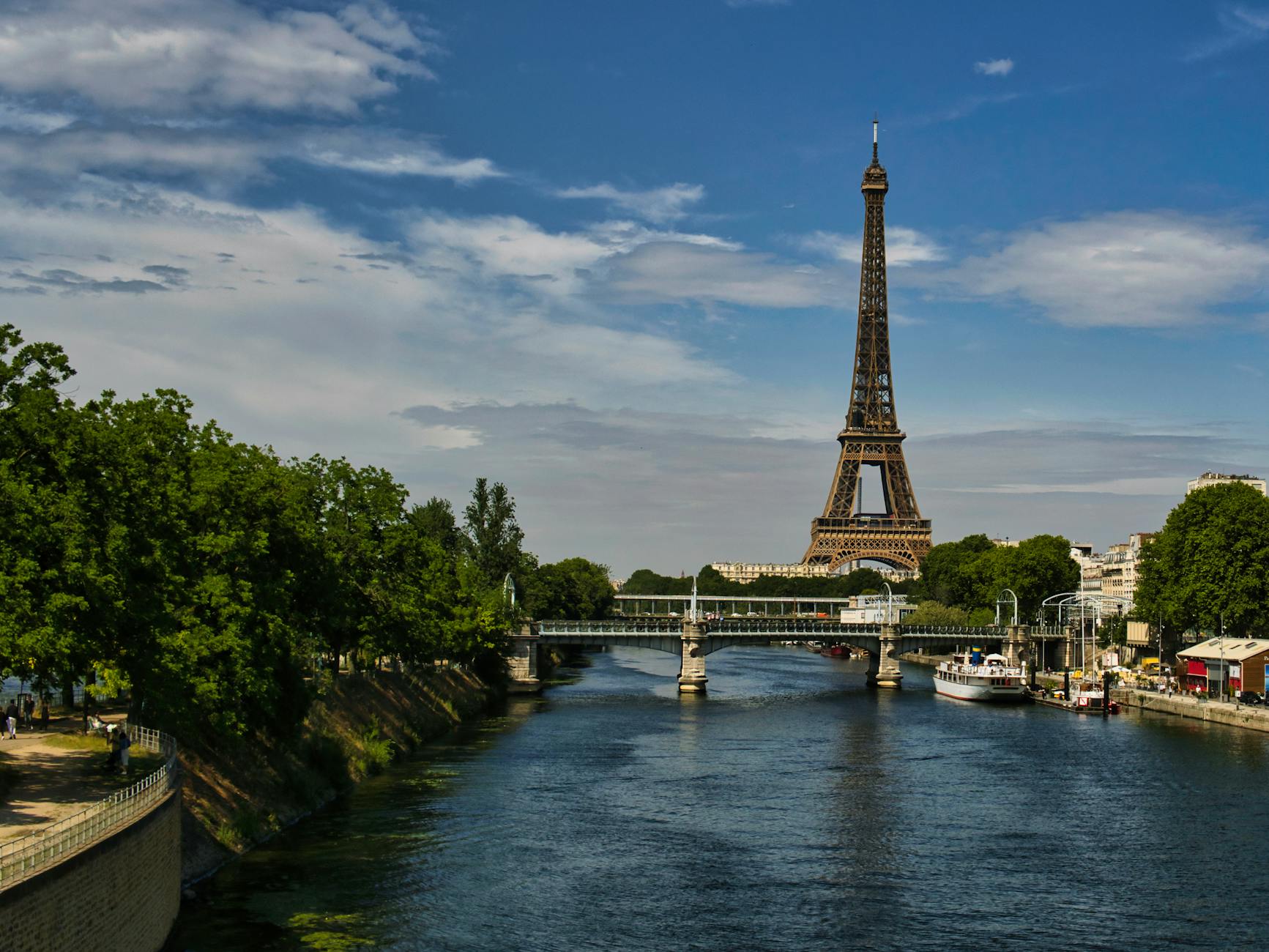
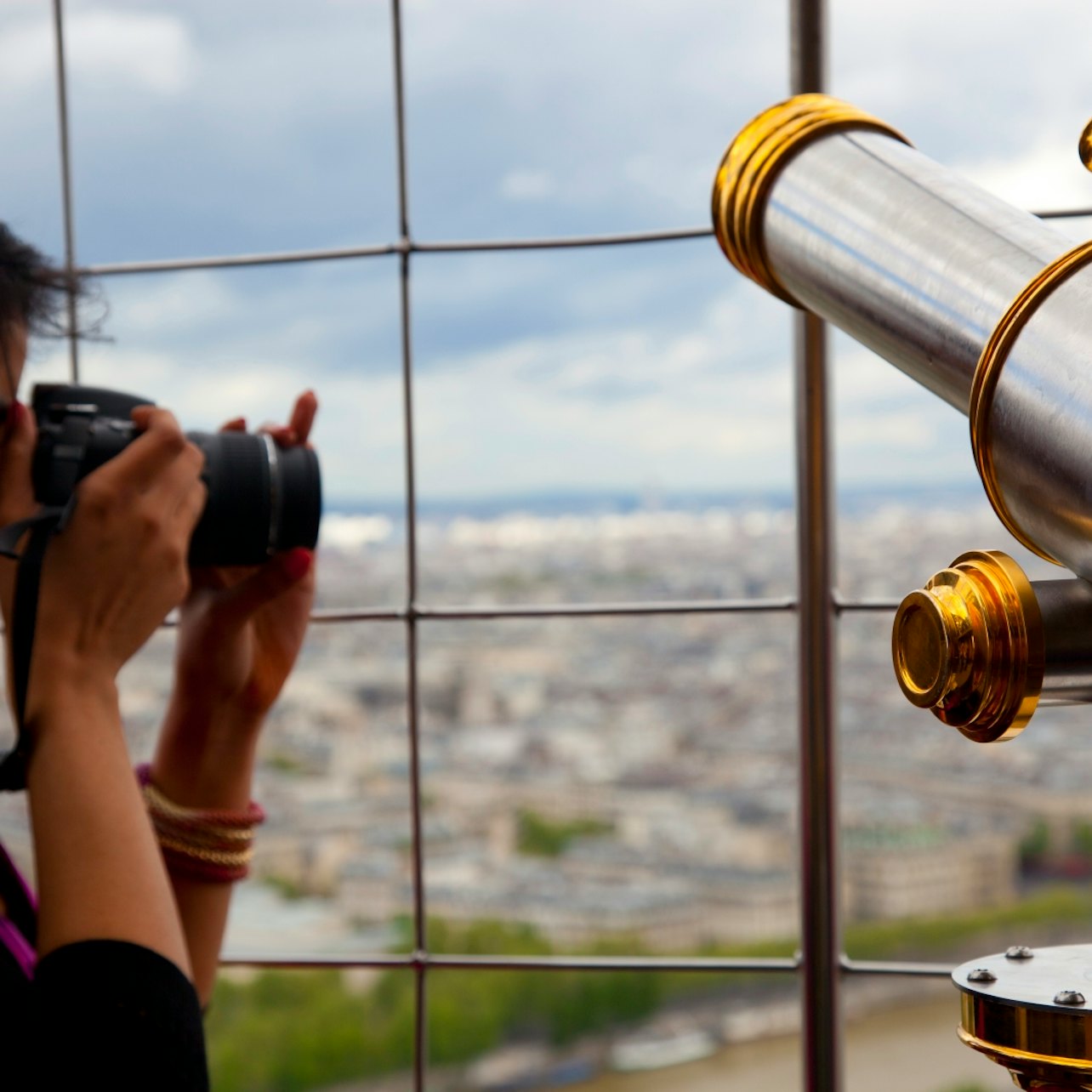
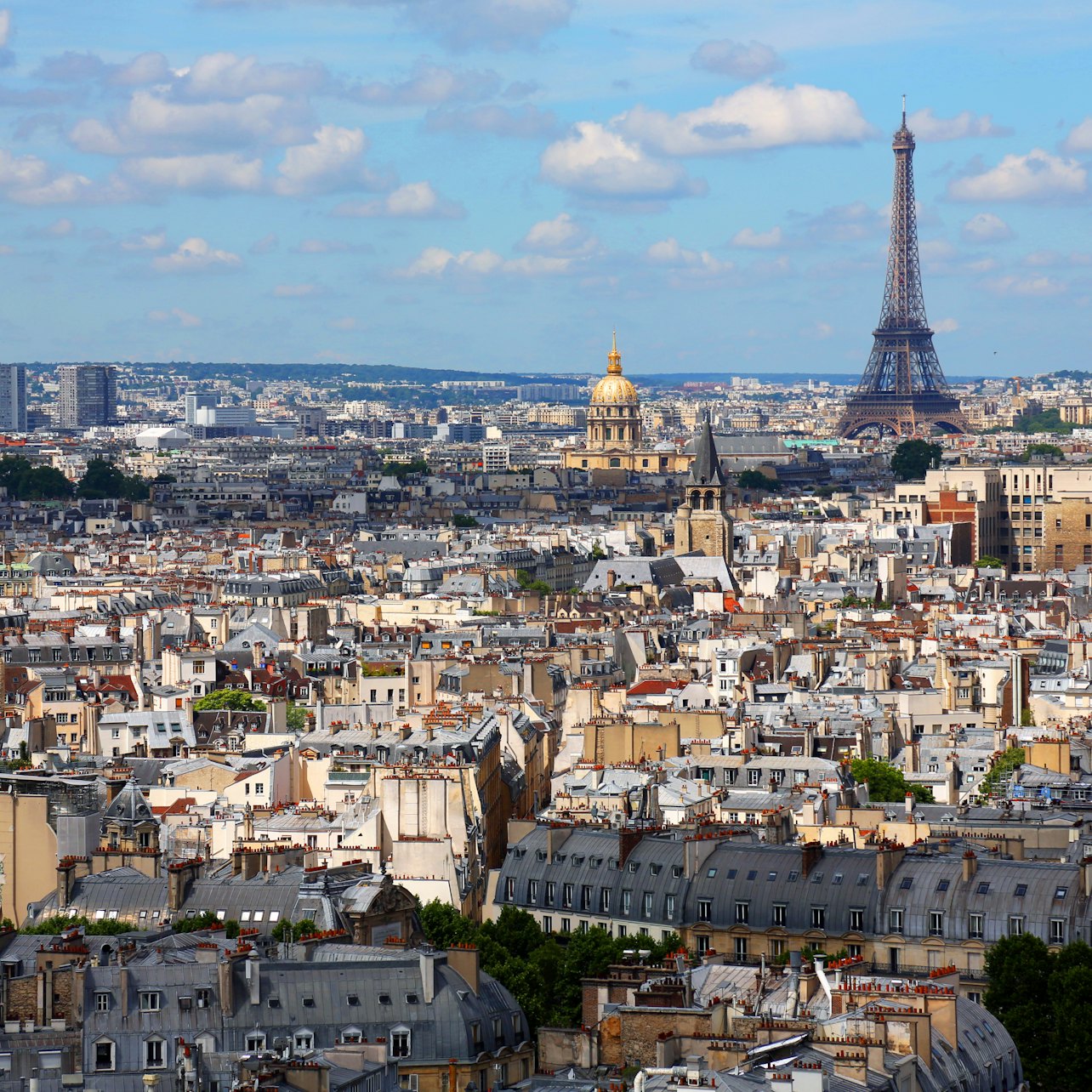
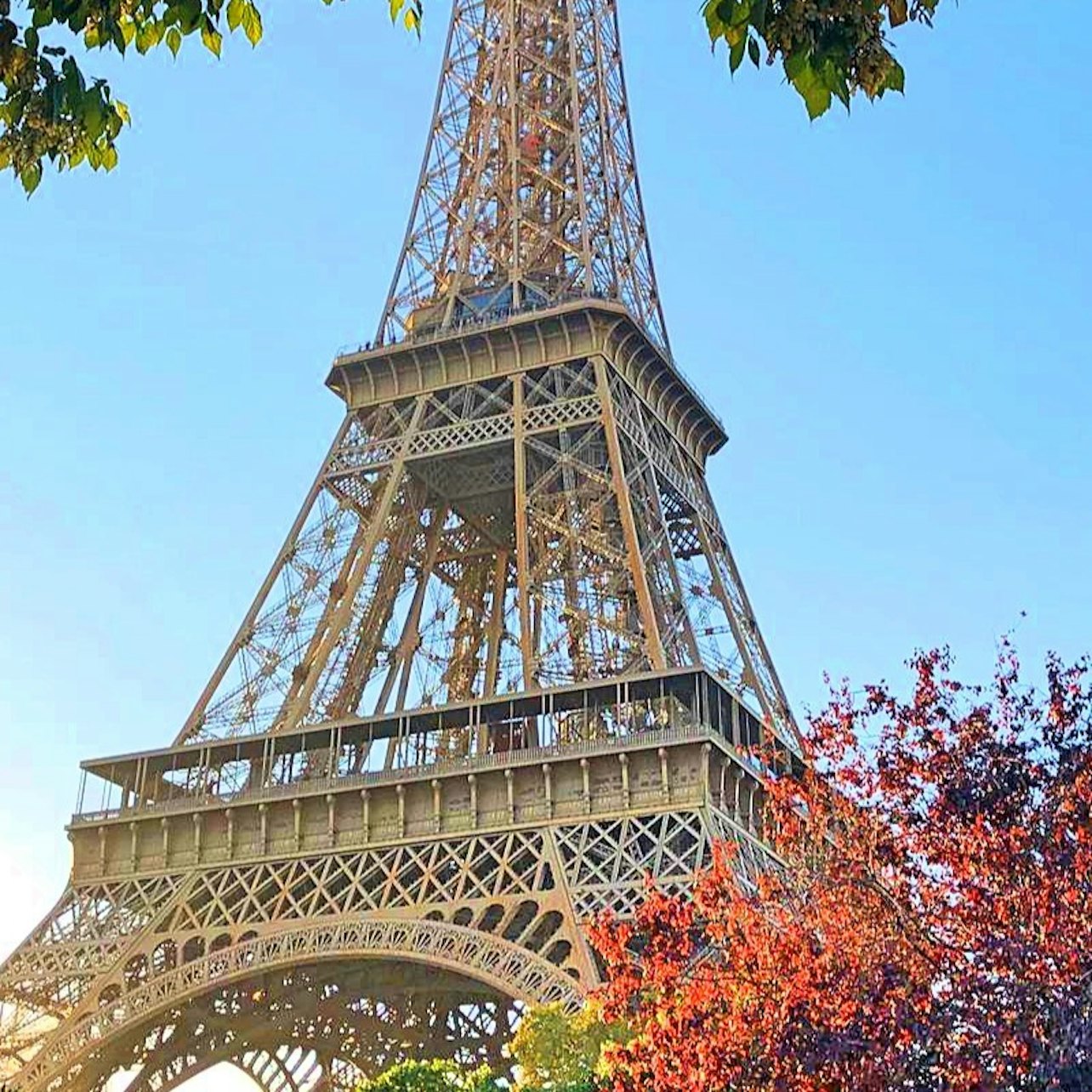
The first floor, at 57 meters, offers an already impressive view of the Seine and the Champ-de-Mars. You will find shops, a restaurant, and waiting areas there. The second floor, at 115 meters, is accessible by stairs or elevator, and offers an exceptional panoramic view of Paris, with viewpoints of the 7th arrondissement, the Invalides, and the Montparnasse Tower. The floor of the 1st floor is located at 91.13 meters above sea level, and the surface area reaches 4,200 m².
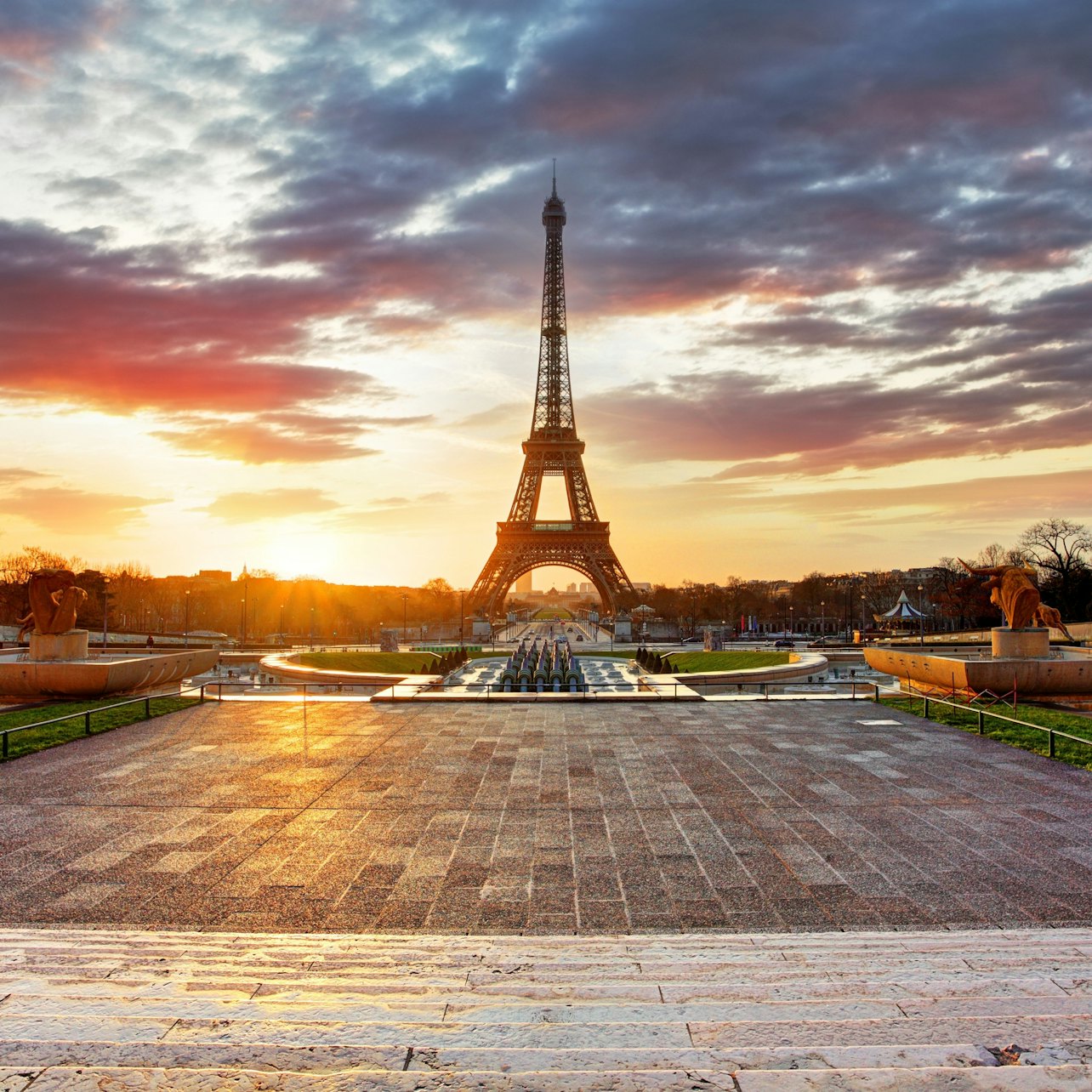
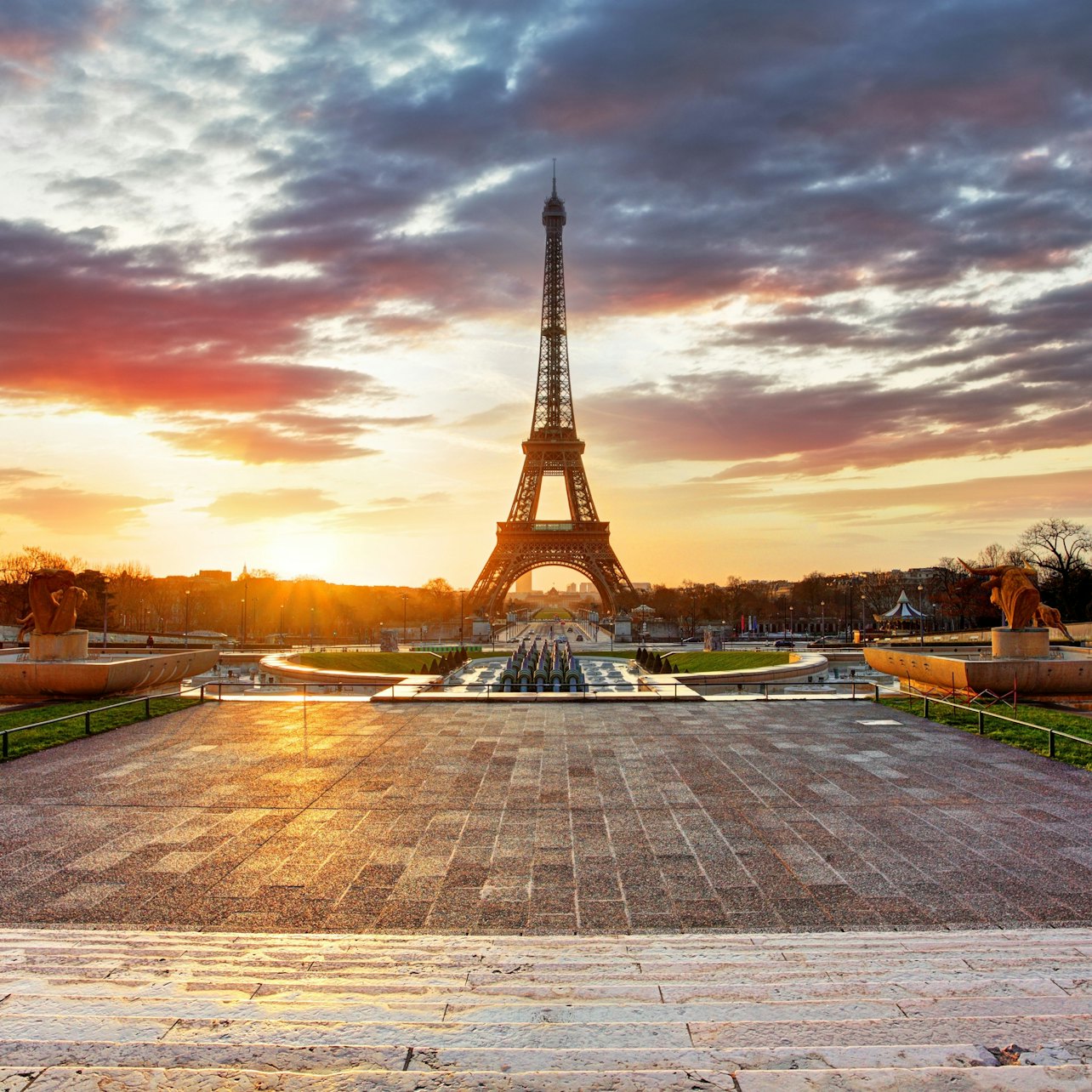
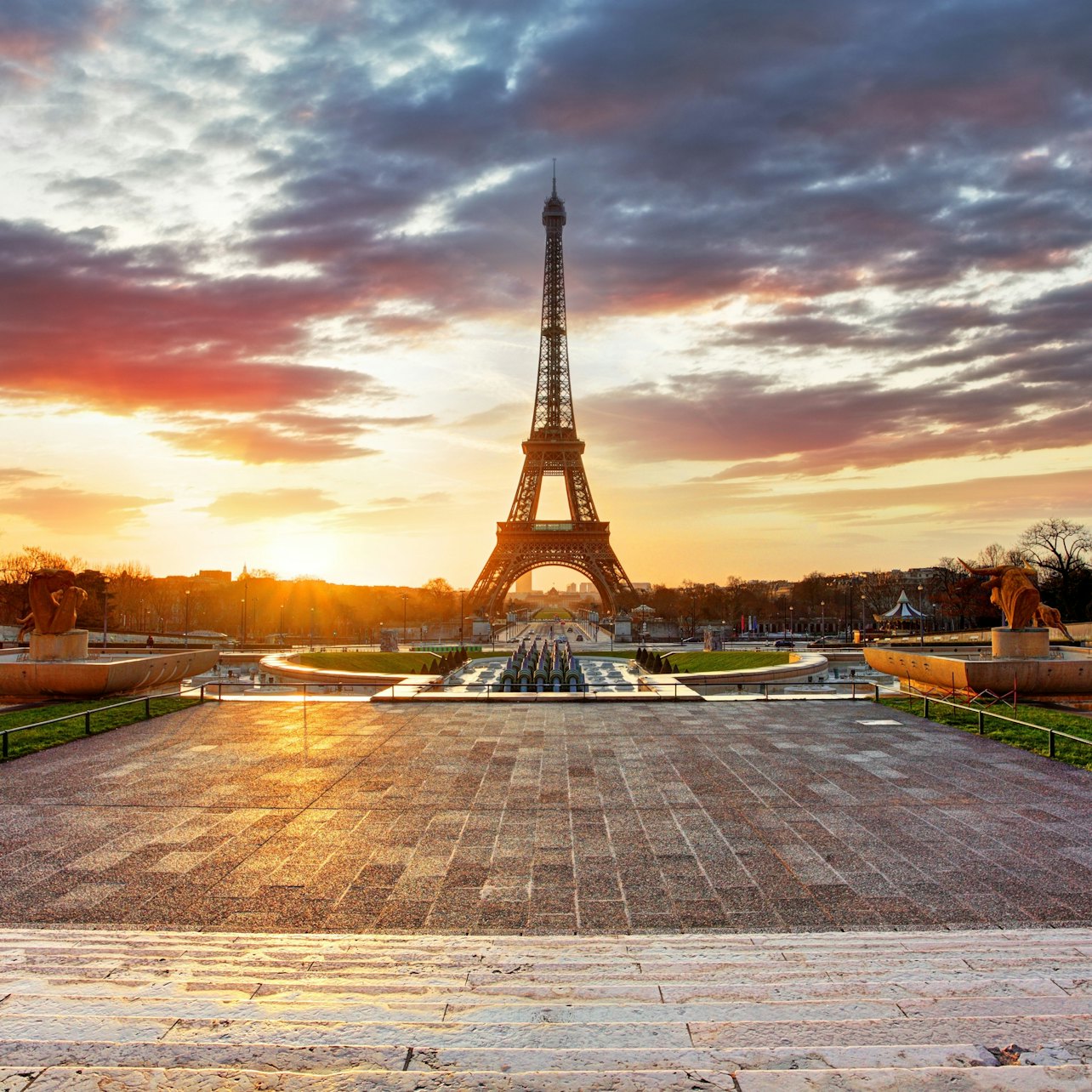
The third floor, at 279.11 meters, is the highest observation platform accessible to the public in the European Union. To access it, you must choose a ticket including the summit, accessible by elevator. The experience is unmatched, especially at sunset, when golden light bathes the city and the lights of Paris gradually turn on. The summit is located at 330 meters with antennas, and the floor of the 3rd floor is at 309.63 meters above sea level.
The Eiffel Tower's antennas, added successively in 1957, 1991, 2000, and 2022, contribute to its total height of 330 meters. They serve for broadcasting, but also to strengthen the architectural identity of the tower. The Jules Verne restaurant, located on the second floor, offers a unique gastronomic experience with a view of the capital, and is renowned for its elegant ambiance and menu inspired by the travels imagined by the writer.
How to visit the Eiffel Tower
To visit the Eiffel Tower, you can choose between several types of tickets: elevator only, stairs up to the second floor, or a combination of elevator + stairs. Stair tickets offer a more immersive experience, with 674 steps up to the second floor, while the elevator allows quick access to the summit. The pedestrian route is accessible from the base to the second floor, and offers a progressive view of the metal structure and the city of Paris.
Booking several weeks in advance is highly recommended in high season, especially for summit access tickets. Time slots fill up quickly, and booking online guarantees your place. The price starts at €62.00 depending on age and ticket type, with discounts for children, students, and seniors. Tickets can be purchased on the official SETE website or via authorized partners. Remember to check opening hours which vary according to the tourist season.
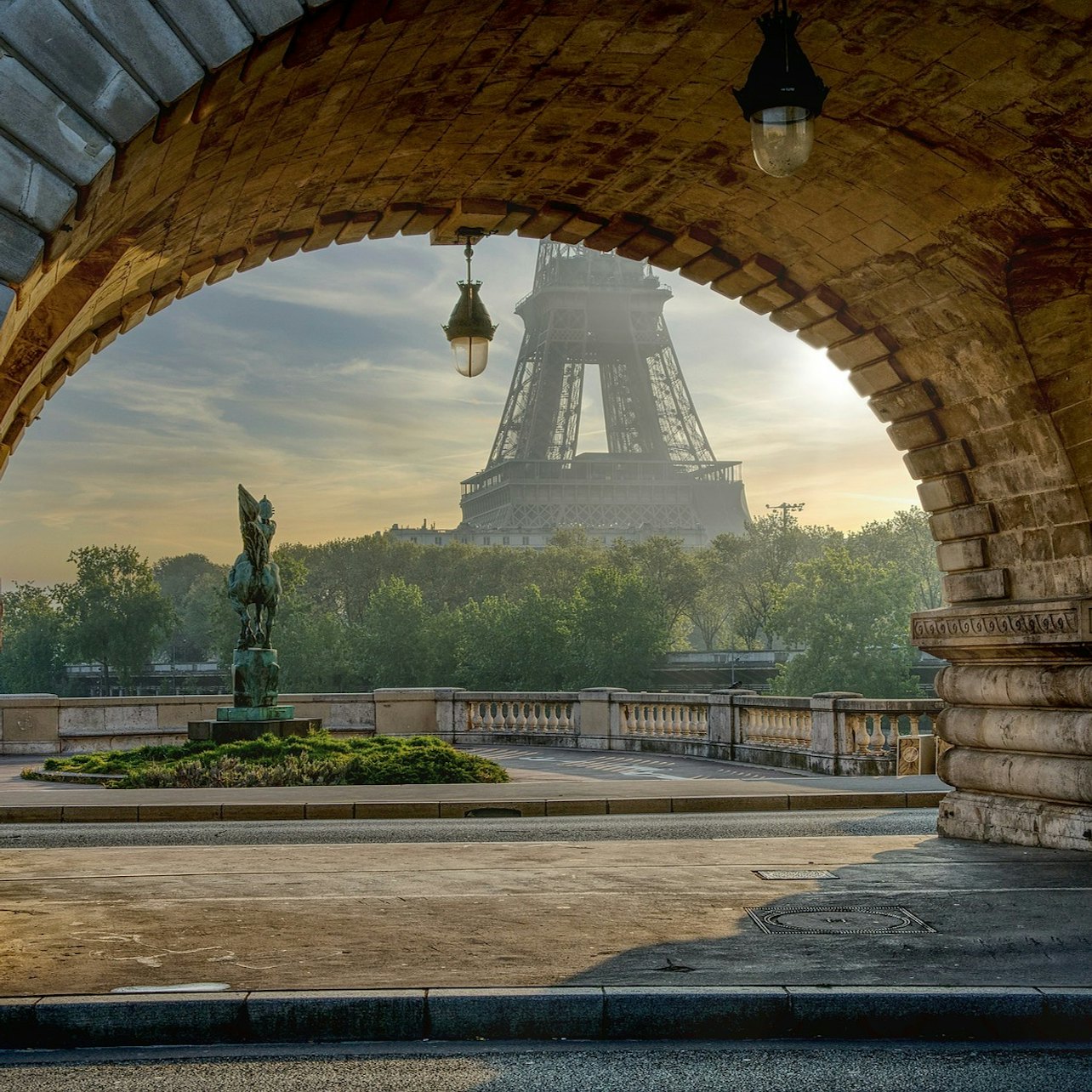
The tower is accessible to people with reduced mobility via elevators, but some areas may be restricted. For families, child tickets are available, and spaces are secure. Bring warm clothing for the summit, as temperatures are cooler at height, especially in the evening. The Line 6 metro, Bir-Hakeim station, is the fastest way to reach the base of the tower. Also allow time for mandatory security checks at the entrance to the 7th arrondissement.